Why import
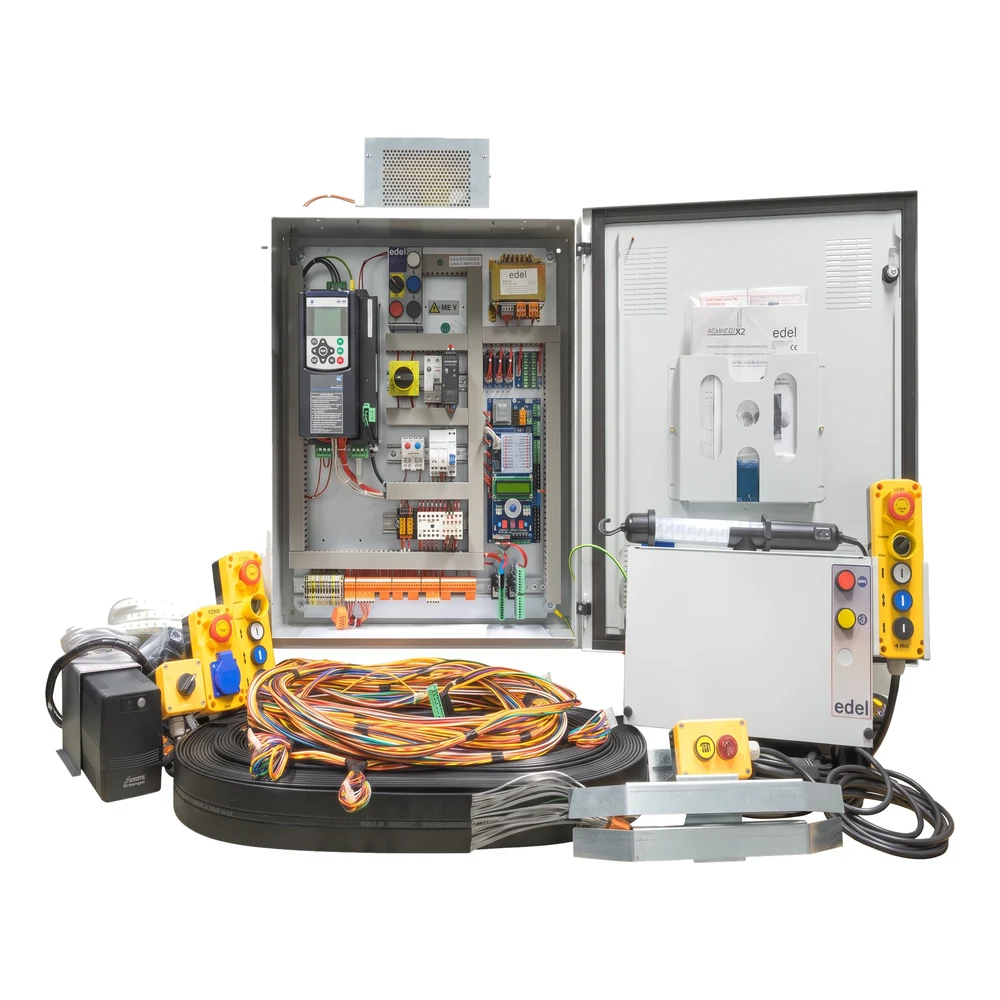
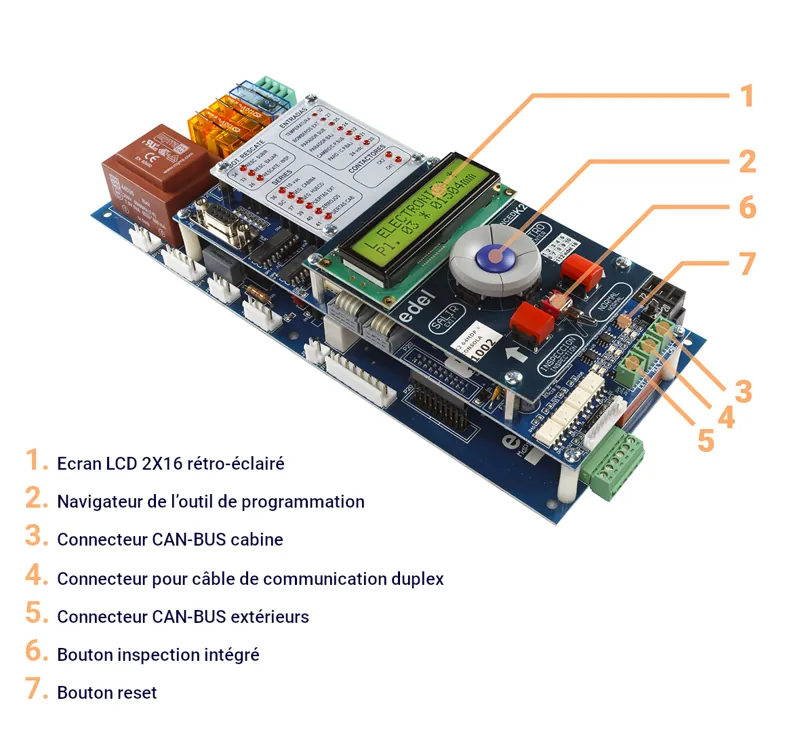
Part of the local offer is limited to assembling imported components with others made by small workshops, with little traceability on the origin of the parts or compliance with safety standards. Importing a complete lift from a European manufacturer guarantees equipment designed to EN 81-20 and EN 81-50, with its certificates.
Who can import
Developers, construction companies, installers, industrial firms and, in general, any company listed in the trade register can import a lift for its own needs or for its projects. The same applies to goods lifts and similar equipment. Importing requires proof of the origin and conformity of the product.
The steps
- Choose the supplier and validate the technical configuration with them from the shaft drawings.
- Obtain the proforma invoice in foreign currency, with the description of the equipment, the Incoterm and the payment terms.
- Domicile the proforma with your bank, which handles the payment to the foreign supplier.
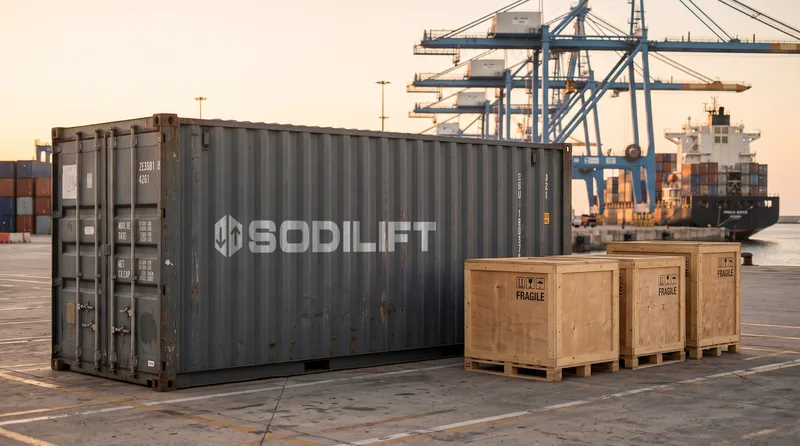
- Appoint a freight forwarder to handle customs formalities and reception at the port.
- Receive and store the packages on site, in a dry and secure place, until installation.
The documents to ask for
- the commercial invoice and the detailed packing list;
- the certificate of origin;
- the lift declaration of conformity and the certificates of the safety components;
- the transport document (bill of lading for sea freight).
Lifts and goods lifts are classified under tariff heading 8428.10. Confirm with your freight forwarder the documents and duties applicable at the time of import: they depend in particular on the origin of the goods.
Lead times
A bespoke lift is manufactured to its configuration: dimensions, finishes, number of stops. Allow for the manufacturing time, which we state in the quote, plus sea freight and customs clearance. If the building is already built, plan ahead so as not to delay handover; if it is not, the works must strictly respect the dimensions of the lift ordered.
Costs to plan for
- equipment and transport, depending on the chosen Incoterm (CFR to the port of destination, or FCA);
- bank charges for the transaction;
- import duties and taxes;
- port charges: handling, storage, container;
- the freight forwarder's fees;
- transport to site and installation.
How we support you
We study your drawings, send you a detailed quote and the proforma, prepare export packing and documentation, and organise transport according to the agreed Incoterm. Installation is carried out by your teams, your partner or an installation company of your choice, with our drawings and our technical support.