How each works
The electric traction lift suspends the car and a counterweight from ropes or belts running over the sheave of a motor. The counterweight balances the car: the motor only has to move the difference in weight, which reduces the power needed.
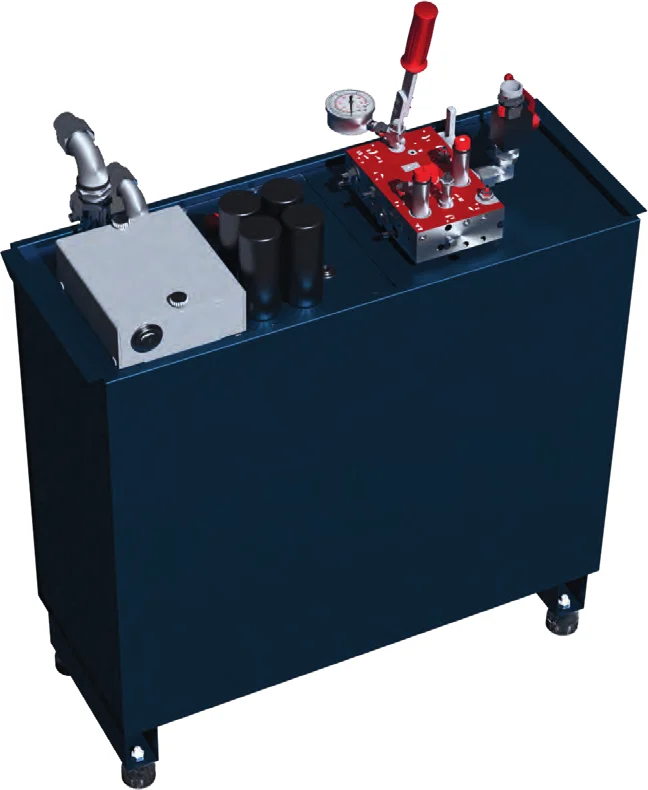
The hydraulic lift pushes the car with a ram. A power unit, with its pump and oil tank, sends oil under pressure to go up; to go down, a valve lets the oil return to the tank.
The differences in practice
| Electric traction | Hydraulic | |
|---|---|---|
| Travel | Long, buildings with many floors | Limited, low-rise buildings |
| Speed | Higher | Lower |
| Machine room | None in the machine-room-less version | Power unit next to the shaft, usually at the bottom |
| Heavy loads | Yes, with long travel | Very stable with heavy loads over short travel |
| Energy use | Low, especially with gearless and a drive | Higher: going up without a counterweight |
| Drift at landings | No | Yes, corrected by re-levelling |
When to choose electric
It is the default solution for residential buildings, offices and hotels. With a gearless motor and a frequency drive, it uses little energy, starts and stops smoothly and, in the machine-room-less version, frees all the space of the machine room.
When to choose hydraulic
It is justified mainly for heavy loads over short travel: industrial goods lifts, forklift loading, car lifts. Its power unit can sit next to the shaft, at the bottom, and it does not need much headroom at the top floor.
And for a replacement
In an existing building, the decision depends on what is already there: a reusable machine room, a sufficient pit, a hydraulic power unit in good condition. Many replacements switch from hydraulic to machine-room-less electric to save energy and space. We study it from your drawings and photos.